




Tuesday, April 30th, 2013

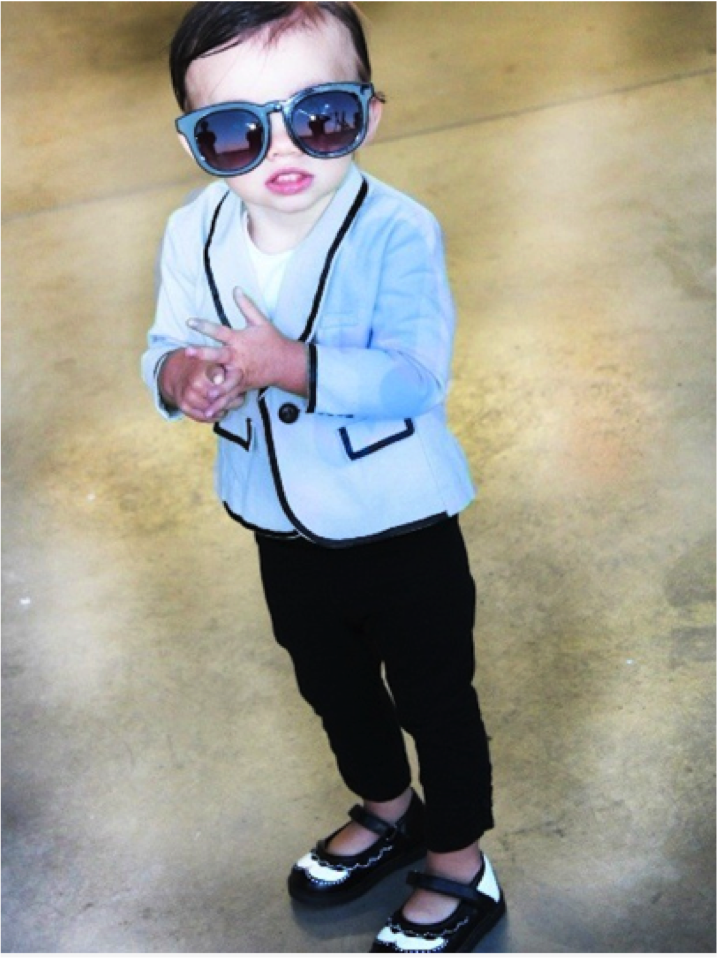
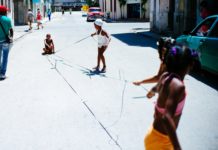
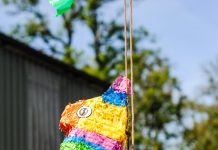
Children’s Day is a South Korean national holiday celebrating, you guessed right, children. The holiday was created in 1923 by children’s book author Bang Jeong Hwan as a way to honor children since he believed they were the future of the country. Bang Jeong-hwan wrote, "Children are the heroes of tomorrow. May they grow to be gentle, vigorous, and wise."
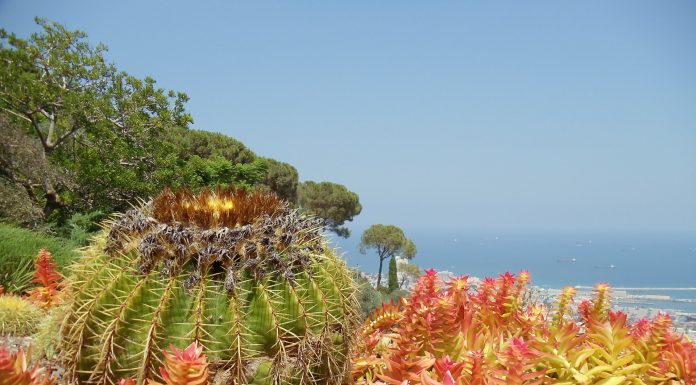
In South Korea, Children’s Day is a big deal. Children of all ages are celebrated and the entire community is involved in the festivity. Read more »
Almost 150 years ago, Baghdad experienced a spring such as the city had never seen before and has not seen since. Read more » |
April 22 every year is observed as Earth Day in many countries to inspire awareness and activism towards protecting our fast depleting planet. Read more » |
Vaisakhi (also spelled Bhaisakhi) is a joyful festival on April 14, celebrating the founding of the Sikh community known as the Khalsa. Read more » |
If Diwali is the festival of lights, then Holi is the festival of colors! March 27, 2013 was Holi, a holiday celebrated in India, more gloriously in the western and northern parts, and by Hindus all over the globe. I love Holi because it captures the essence of India to me – color and chaos. And I probably tend to appreciate it that way more so because I often miss the action that’s unique to living there. Read more » |
Passover is one of the most important holidays of the Jewish year. Passover celebrates the biblical account of the ancient Israelites' redemption from slavery in Egypt to freedom.
According to the book of Exodus in the Hebrew Bible, the Pharaoh (ruler) of Egypt enslaved the Israelites, forcing them to endure cruel labor and eventually ordered the murder of all male children. Read more » |
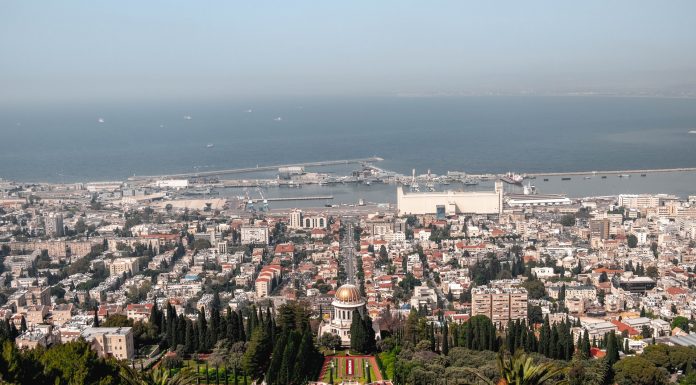
Ayyam-i-Ha (also called Intercalary Days) is a period of hospitality, charity and gift-giving for Baha'is that is celebrated from February 26 to March 1. This is a festive time where people give gifts--mainly to children, have parties and focus on charity. Baha'u'llah, the founder of the Baha'i faith, said of Ayyam-i-Ha, "It behoveth the people of Baha, throughout these days, to provide good cheer for themselves, their kindred and, beyond them, the poor and needy, and with joy and exultation to hail and glorify their Lord, to sing His praise and magnify His Name. Read more » |
St. Nicholas Day is a popular celebration for children across many European countries. St. Nicholas is the predecessor to Santa Claus and has a reputation for his generosity. As legend has it, he leaves children presents if they are nice and coal if they are naughty in their shoes.
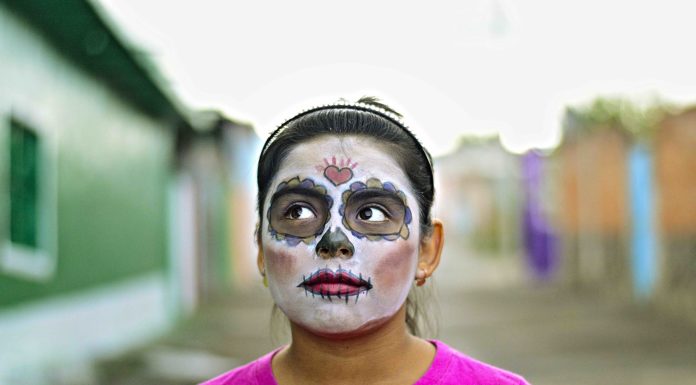
St. Nicholas lived in what was formerly Greece and is now Turkey in the third century A. Read more » |
Mexico’s Dia de los Muertos (Day of the Dead) is a well-known holiday that, despite its motif of death, is a celebration of the lives of loved ones who have passed away. Originally derived from Azetc rituals, the holiday became connected to All Soul's and All Saint's Day after Spanish conquest, as the Spaniards tried to put a Christian spin on it. Read more » |
Eid al-Adha (the Festival of Sacrifice) celebrates Ibrahim's (Abraham in Christianity and Judaism) obedience to God in nearly sacrificing his son Ishmael (Ismael), but instead was able to sacrifice a ram in his place. It is celebrated on the 10th day of the month of the lunar Islamic calendar following Hajj, Muslims' annual pilgrimage to Mecca. Since Eid begins at the first sighting of the new moon, the date varies by one day depending on whether the Saudi Arabian or North American sighting is observed. Read more » |
Enkutatash, the Ethiopian New Year, marks the end of the rainy reason and the beginning of the spring sunshine. While Ethiopia follows the Julian calendar, the holiday falls on September 11th according to the Western or Gregorian calendar, except for leap years, when it occurs on September 12th.
Enkutatash, meaning “gift of jewels” in Amharic, originally derives from the story of the Queen of Sheba returning from visiting King Solomon in Jerusalem, according to popular legend. Read more » |
Ramadan falls in the ninth month of the Muslim lunar year and is one of the largest holidays for Muslims. It begins when the new moon is spotted and falls on August 1st this year; each year it begins approximately 10 to 11 days earlier. It was during Ramadan that Allah (God) first revealed the Quran to Prophet Muhammed. Ramadan is a month of spiritual reflection and self-control through fasting. Read more » |
Traditionally in Scandinavian countries on the 21st of June, bonfires glow in a night with no darkness, since at this time of year the sun never really sets. On this evening, buried treasures can be discovered by studying how moonbeams fall. Girls and young women pick flowers on their way home and lay them under their pillows so that that their dreams reveal who their husbands will be. Read more » |
Nowruz (Nouruz/Nowrooz/Norooz), the Persian New Year, falls on the first day of spring of the solar calendar (which is different from the Gregorian solar calendar). Nowruz is a festivity that transcends religions as it is not confined to any one religious group--it is celebrated in many countries globally including Iran, Central Asia, Turkey and in other traditional Persian communities found throughout the world. Read more » |
Holi is the Indian Festival of Colors. It is the celebration of the beginning of spring and represents rejuvenation and rebirth through all of the bright colors associated with the festival. During the festival, people smear powdered, bright colors on each other's faces and splash colored water at one another.
Holi is a Hindu festival, typically celebrated in the North of India, and is also celebrated around the world in places like Nepal, Sri Lanka, and countries which have a large Hindu Diaspora like Suriname, Guyana, South Africa, Trinidad, the U. Read more » |
Imbolc is a pagan holiday, usually celebrated on the eve of February 1 and into February 2 in Ireland and Scotland. In the Middle Ages, its association may have been with the goddess Brigid (later Christianized as St. Brigid). Brigid is the Gaelic goddess of poetry, healing and smithcraft. In the Christian calendar, the holiday is now called Candlemas. Read more » |
The Lunar New Year (or Asian New Year) is the most celebrated holiday of the year across many Asian countries. On the first day of the first new moon after the winter solstice in the lunar calendar (January 23, 2012), countries like Korea, Taiwan, China, Vietnam and Asian communities in many Western countries will celebrate the New Year. The New Year flushes out the old and welcomes in the new, making space for happiness, wealth, luck and longevity. Read more » |
While many people are undergoing the Christmas let-down that happens after the 25th, others are just gearing up for their holiday season. Christmas is just one marker on the festive path through the holidays that culminates in Three Kings Day (El Dia de los Reyes Magos also known as Epiphany). Three Kings Day is celebrated in many Christian regions around the world, including Latin America, Spain and much of Eastern Europe, and by Christian populations in places like Turkey, Syria and others. Read more » |
The Hopi Indians, who have lived in the highlands of northern Arizona for over a thousand years, divide their calendar into 12 months with different ceremonies in each month. December is the month where the katsinas or kachinas, the spirits that guard over the Hopi, come down from their world at the winter solstice or Soyal (also referred to as Soyaluna and Soyalangwu). Read more » |
Germany's Oktoberfest, one of the largest fairs in the world, attracts over six million people annually to Munich to drink locally brewed beer, eat German specialties, sing and dance. The beer comes from six local breweries and the most typical foods are roast chicken, pork knuckles, sauerkraut, and sausages together with other foods like potato pancakes and apple strudel. Read more » |
Nestled in the Andean highlands, quiet Peruvian villages become teeming centers of dance, music, and merrymaking every year on July 16th that lasts for three days.
The festival offers a blend of religious devotion and Incan tradition, with regional dance troupes decked out in ornate costumes and vibrant masks. The dancers retell battle stories and the traditional folklore of the Inca, while the masks commemorate those used for protection when vanquished Incan peoples danced in rebellion against Spanish rule. Read more » |
The Naadam Festival is the major Mongolian holiday. Naadam, meaning game or competition in Mongolian, features the three sporting passions of Mongolians: wrestling, horse racing and archery over three days of festivities. Naadam is not just limited to sports but is a carnival of music, dancing and food.
All three sports have their roots in the historical warrior tradition of Mongolia. Read more » |
Akin to the national holiday of Quebec, Saint Jean Baptiste Day is a celebration of Francophone culture in Canada. While Jean Baptiste is Quebec’s patron saint, Jean Baptiste Day has more pagan than religious roots and remains a secular holiday today.
The day was originally a celebration of the summer solstice. However, in 1834, after becoming inspired by the celebration of St. Read more » |
Vesak (also known as Wesak) commemorates the Buddha’s birth, enlightenment and death with a colorful, fun festival. Casually the holiday is often referred to as the “Buddha’s birthday.” The exact date of Vesak changes according to the varying lunar calendars used in different traditions. It is primarily celebrated within Theravada Buddhism (practiced in Sri Lanka, Burma, Thailand, Cambodia, Singapore, Malaysia, Laos, etc. Read more » |
Easter is a Christian holiday, celebrating Jesus Christ's resurrection from the dead. It falls two days after Good Friday, which commemorates the crucifixion of Jesus. Easter also marks the end of Lent, the 40-day season characterized by fasting, prayer and penance. In the Western church, Easter is celebrated on the first Sunday following the first full moon after the vernal equinox. Read more » |
The Chinese New Year is the most celebrated holiday of the year in China. It takes place on the first day of the first new moon after the winter solstice in the lunar calendar (February 3rd, 2011). Socially, it is a time for being with friends and relatives and the greater significance is of flushing out the old and welcoming in the new. This holiday, more than any other Chinese holiday, stresses the importance of family ties. Read more » |
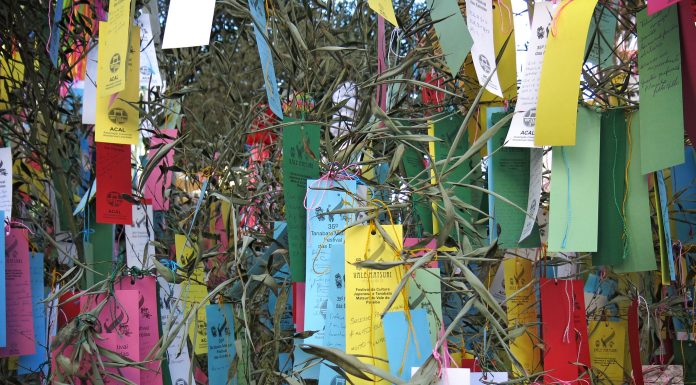
The Japanese New Year, shogatsu, spans several days from December 31st to January 3rd. It is the most important holiday of the year in Japan. While the New Year was originally based on the Chinese lunar calendar, in 1873, it changed to the Gregorian calendar.
To prepare for the New Year, people clean their houses and decorate. Kadomatsu are a common decoration made from bamboo, pine branches and strips of folded white paper. Read more » |
Armenian Christmas, also known as Theophany, is celebrated one day before the Orthodox Christmas. Although Armenia follows the Gregorian calendar, when the Romans changed the date of Christmas to December 25 in the fourth century, Armenians held to the original January 6th date.
Santa Claus/Father Christmas is known as Gaghant Baba to Armenians. He traditionally comes on New Year's Eve (December 31st), which is the start of the holiday season leading up to Christmas. Read more » |
Hanukkah, meaning "dedication" in Hebrew, celebrates the re-dedication of the Holy Temple in Jerusalem after the Jews defeated the Seleucids (Syrian-Greeks). It is an eight day and night tradition where one additional candle is lit each night on the menorah.
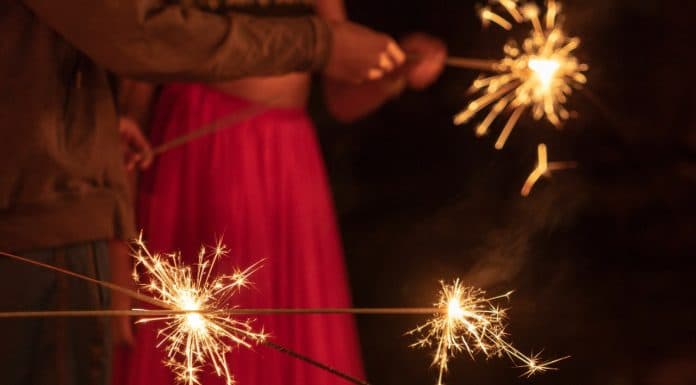
The history of Hanukkah dates back to 18 B.C.E. when the Seleucids took the Jewish Holy Temple from the Jewish people and dedicated it to the worship of the God Zeus. Read more » |
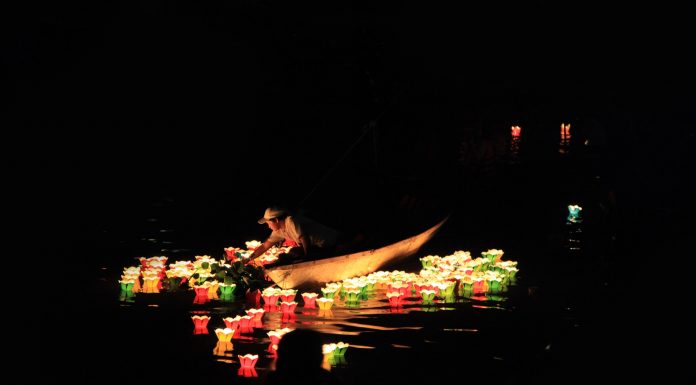
Diwali, the Festival of Lights, is one of the most vibrant and exciting Hindu celebrations. It is full of color and reverie, representing the philosophy behind it.
The festival celebrates the triumph of good over evil and awareness of one's own inner light against a backdrop of fireworks, sweets, new clothes, decorating and cleaning homes, lighting lanterns and diyas (small oil lamps made of clay), exchanging gifts and drawing henna designs on hands. Read more » |
|
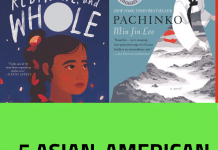
 The blessed curse of politeness: how my daughter minds her p’s and q’s.  Our latest map find.  It only takes 5 minutes per day to start!  One of the best snacks ever.  Should we back off with both languages at once?  One simple reason.  Make a traditional craft from Papua New Guinea with everyday household materials!  The Mexico we saw on vacation  It doesn't get any more adorable than this.  A fight between cousins turns into something unexpected  Adjusting to life in a "five-minute," male-dominated Mexican town as a former New Yorker.  Here's how this mom overcame self doubt on her solo adventure  Kids love these songs and games!  Someone tell me, is this really Korean?  That one little thing that is the bridge between Canada and China  This trilingual family offers some truly awesome advice we all can benefit from.  There's more to it than you think  Celebrate Asian-American heritage month with our top book picks  Your new go-to soup recipe  7 tips to make sure you don't blow it  Why colorblind is all wrong and a guide to what's right  Our way of celebrating you!  Why I love the abaya  My yearly pilgrimage to my homeland where I no longer feel at home  Why you shouldn't judge a mom giving coffee to her infant  I couldn’t wait to see how my kids would do with their new Spanish when we got to Mexico.  Important tips for parents and kids of all colors  Foregoing meat in a land where no one does  What to do when your child doesn't love travel like you do.  This mom never knows how she'll find her kids in the morning  A holiday just to celebrate children-how cool!  How he began to find his heritage  How they made it possible  See the magic and universality of play  Almost sinful, a crowd and kid pleasing cookie for any occasion.
 Here's the secret  Colleague drank your breast milk from the work fridge again? Tales of breastfeeding in Mongolia  She fought her Turkish in-laws on it--did she succeed?  Why it's critical all parents read books that reflect diversity  Who knew that becoming a mother merged our histories of loss and grief  Have you been guilty of any of these?  Fancy schools, international vacations, foreign language books, DVDs and tutors add up fast  Life after devastation  The freedom of growing up as the only Serbo-Croatian in Sudan  It’s easy to raise bilingual kids when you speak a second language, right? Wrong.  The secret revealed of why African babies don't melt down like Western ones.  How the West sleeps is different from the rest  Why OPOL has been harder than we thought.  Money can't buy love. Or can it?  And why it made this mom worry  Has the West taken fear too far?  In photos and figures  Language acquisition in three-and-a-half year old, bilingual twins.  Have you made any of these mistakes?  Everything you wanted to know but were afraid to ask  Welcome to our newest blogger--a world traveling, homeschooling mom--to the InCultureParent family!  Does Islam's reputation for severity and harshness apply to how Muslims raise children?  Because every little global citizen needs a map  Cultural oasis or no man’s land?  All that's left to do is wait and wonder  10 must-read tips on co-sleeping from Africa  Time outs due to whistling versus school's out due to poverty  I belong to a faith with virtually no rituals.  Is it racist to not want to raise your kids in white America?  Raising children in the shadow of exile  Lessons in parenting from the Côte d'Azur  How one family celebrates the biggest Muslim holiday  Who said raising bilingual kids was easy?  Four pregnancies, four miscarriages and a bout of thyroid cancer later  What linguistic research has to say  Why you shouldn't judge a mom giving coffee to her infant  How my language use morphs to meet the situation
|
From Why African Toddlers Don’t Have Tantrums
From How My Chinese Mother-in-Law Replaced my Husband
From Do manners really matter? Why I hate making my daughter say please and thank you
From How Bilingualism Can Fail in Multilingual Families
From 10 Best World Maps for Your Children’s Room
From Are Germans Really Rude?
From Why Your Bilingual Child Objects When You Switch Languages
From Are Germans Really Rude?
From Invisible Interpreter: The Grandmother – Child Language Divide
From 10 Tips for Starting a Family Yoga Practice
From My Attempt at a Bento Lunch
From Carnival Recipe: Pao de Queijo (Brazilian Cheese Bread)
From Top 10 Most Imaginative Playgrounds Around the World
From How Bilingualism Can Fail in Multilingual Families
From Help! My Bilingual Child Won’t Speak My Language
From Real Intercultural Family: Carmen and Whitney
From Thailand Solo with Two Kids: Where Homesickness Set In
From How Immersion Travel Helped My Kids Progress in Spanish
From Our Trip to Mexico: Drugs, Cartels and Violence?
From Why African Babies Don’t Cry
From 5 Games to Get Your Bilingual Child Talking
From “Mom I Think I’m Gay:” Are You as Prepared as You Think?
From Lessons from Ecuador on Raising Multicultural Kids
From Traveling to Ecuador for Two Months of Immersion
From Is My Daughter Singing in Korean?
From Yogi in the Mexican Desert
From Why African Toddlers Don’t Have Tantrums
From 5 Games to Get Your Bilingual Child Talking
From Is it Possible to be Too Multicultural?
From Why African Babies Don’t Cry
From Best Curried Red Lentil Soup Recipe
From Homeschooling on the Road
From Homeschooling in Myanmar: Visiting Bagan
From What We Are Not About
From Around the World in One Semester
From The Benefits of Ayurvedic Cleansing
From “Mom I Think I’m Gay:” Are You as Prepared as You Think?
From China Bumps & Triumphs: What Ties This Expat to China