






















Encouraging your kids to speak the minority language isn’t always easy so make it fun! Here are five games that will help get them talking.

The key to learning languages in the home—whether one, two, or even more—is interaction. Interaction involves speaking and listening. In many intercultural families, however, children do not become bilingual.
The best 10 things about going bilingual with your children.

Early on, I read quite a bit about language acquisition and discovered that children need interactive language exposure in order to learn a language. This means that sitting your child in front of the television to watch minority language...

My son's Thai helps break down barriers. Without him, I might be just another foreigner.
I could barely string together a sentence in Cantonese but I was determined to raise my son in it. Here's how I did it.
Humans of San Francisco: how this Japanese mom embraced Judaism to give her son a piece of his father
Without a lot of resources or time, Maria has succeeded in raising trilingual kids.

The voices of 25 bilingual children in the U.S., where one in five kids speaks a language other than English at home. So if you want to know the language America speaks, it's English and 300 other languages. #ispeakamerican
Advice to parents from a young multilingual adult. Learn about what her parents did right.
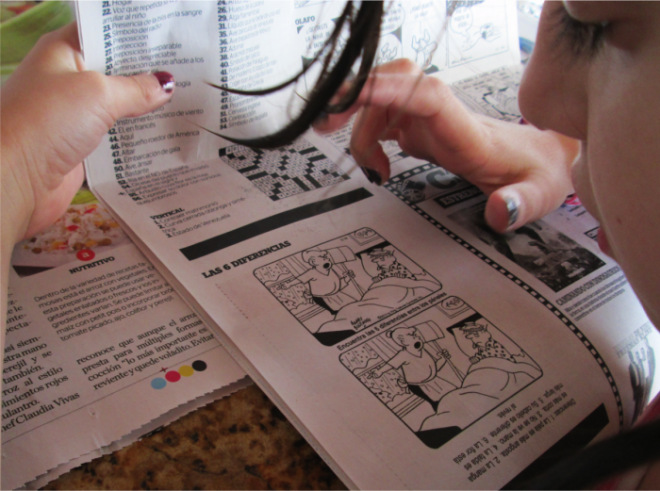
My daughter reading a local Nicaraguan newspaper along with me this morning, something that would likely never happen at home.
A multilingual mom shares her tips for embarking on a new language with your child.
Three secrets why Kenya, like many African countries, is seamlessly multilingual.
By the age of two, it was apparent that Oscar was different than other children. “More of a care child,” was how one rather abrupt nursery teacher described him. The first time his bilingualism was brought into question was at the age of three. The advice given by the teacher was to learn Dutch very quickly and only speak Dutch with him. Although as I child I was raised to respect professionals and believed that they knew everything, as an adult I understand that professionals, despite their best intentions, sometimes get it wrong.
Raising bilingual kids can often be hard work to ensure the child is getting enough exposure in the second language. While no parents means to discourage their kids, make sure their enthusiasm stays on track by avoiding these big mistakes.
Raising a bilingual child in a country where bilingualism is not a given can be expensive. When you do not speak a second language, can't afford private immersion school and tutors are too pricey as are the fancy language classes in your community, then what options do you have left? Here are six ideas.
From my kids talking to Jose Luis Orozco in Spanish this past weekend to finding joy in someplace unexpected, I realized all my work in in helping them develop their Spanish is really starting to pay off.
Being bilingual affords children many advantages over the course of their lifetime. Here are seven benefits that have been documented in research and studies.

Anyone who interacts for some time with a young bilingual child will notice the strong bond that exists between a person and a language. In the eyes of the child a person is tagged with a particular language, and if that person addresses the child in the other language, it may cause some distress. Here's the reason why.
Even though Arabic is one of the languages they were raised in since birth, they prefer Spanish. Here is why.
This mother found that putting her son into an immersion schooling experience in Spain proved much more difficult than expected. Her young son ended up frustrated and sad. Here is how she tackled that challenging situation to help her son succeed.
Introverted and extroverted children require different approaches for learning the minority language. Here are eight tips for raising bilingual introverts and extroverts.
Research has often shown that bilingual children produce their first word at about the same time as monolingual children, on average. A recent study analyzes whether children exposed to two languages access words in the brain and produce words in the same way as monolingual children.
Raising a child with good bilingual ability can be a significant challenge. How do you support the minority language so that it keeps pace with the relentless development of the majority language?

A comprehensive list of language learning resources for bilingual children across many languages.
Three years ago we moved to the Netherlands from the U.S. with our two-month-old daughter. Neither my Italian husband nor I spoke any Dutch. Fast forward to present and we now have a very talkative three-year-old who regularly insists that she speaks only “Nederlands.” This is what we have learned about what you can expect when you send your child to daycare in a non-native language.
There is a common myth about second language acquisition that by six or seven years old, it is too late to acquire a language fully. This argument is based on the critical period hypothesis. However, this is a very simplistic view of language acquisition, especially given the competing viewpoints on the topic.

As a Polish mother in the Netherlands with multilingual children growing up with Polish, German and Dutch, I often hear uninformed and judgmental comments. So here are 10 things you should never (and I mean NEVER) say to parents of multilingual children.
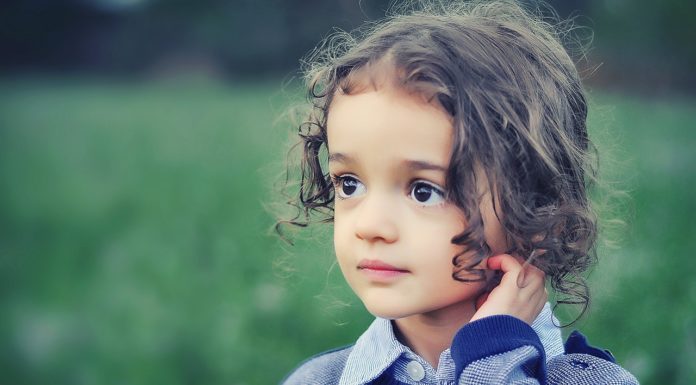
Why start language learning early? With the help of modern technology in neuroscience, we now understand how language develops during infancy and early childhood. Also, based on countless studies, researchers can safely conclude that as your child grows older, her uncanny language abilities decrease significantly. This 'critical period' means that you should strike while the iron is hot!
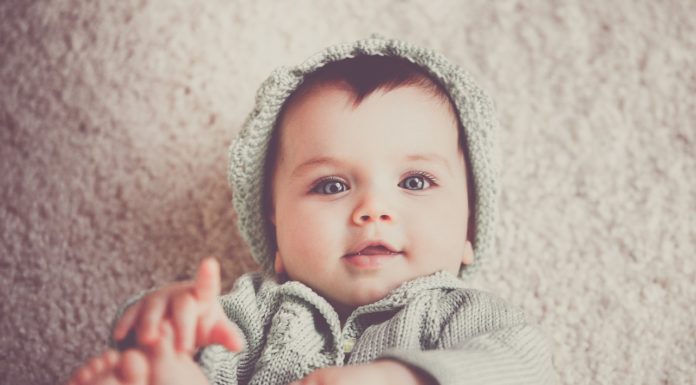
Five strategies for raising a bilingual infant
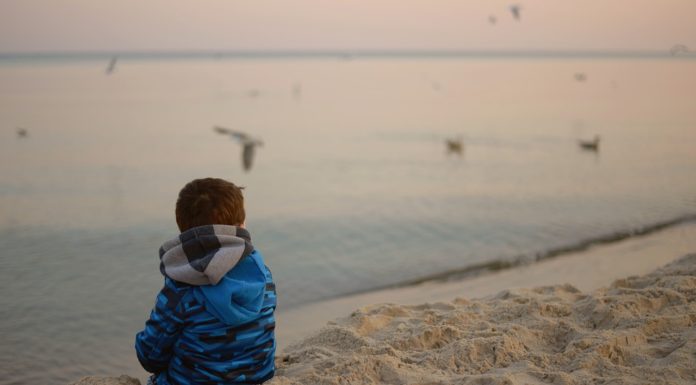
The challenges of raising bilingual kids in the one parent one language system.
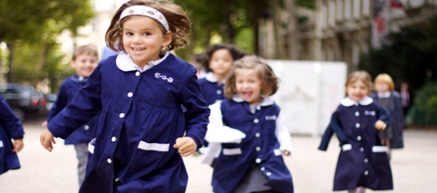
Stories from a second grade immersion-Spanish classroom that embraces a constructivist curriculum. Constructivist theory emphasizes concepts over facts, deep understanding over rote learning and the transfer of knowledge between disciplines.
Fluent bilingualism is commonplace throughout much of the world. How strange that it’s so difficult to achieve in the United States! Unless we came here as immigrants, grew up in homes where another language was spoken, or spent extended time in a non-English-speaking country, most Americans are likely to be monolingual.

Our dream of fostering our family’s multilingualism has pushed me to think about what exactly we hope to achieve with raising multilingual children.
At the end of last year, the title of a post by Jan Petersen on InCultureParent caught my attention: "How Francois Grosjean Broke My Multilingual Heart." I was troubled at first as I have defended bi- and multilinguals most of my academic life, not broken their hearts!
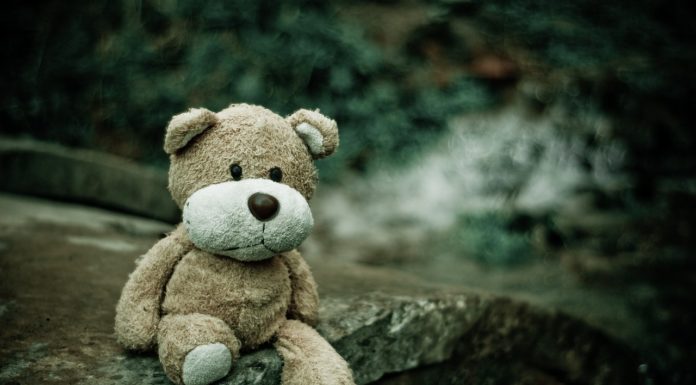
I feel defeated when I watch childhood home videos of my two daughters, Alina and Alexa. In the videos, they are speaking their beautiful native tongue, a bittersweet memory, as they lost their ability and desire to speak it as they got older.

When it comes to raising a bilingual child, I have several beliefs about how you can waste your time.
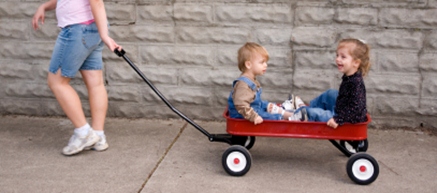
As a wrote about in Part I of this article, Falling off the OPOL Wagon, I didn’t realize I had fallen off the one parent one language (OPOL) wagon until I found myself face down on the ground with a chipped tooth and a mouthful of dirt.
So how did I get back on the wagon? I credit reading about other multilingual children’s progress on various blogs with flipping the switch for me.
So how did I get back on the wagon? I credit reading about other multilingual children’s progress on various blogs with flipping the switch for me.

I didn’t realize I had fallen off the one parent one language (OPOL) wagon until I found myself face down on the ground with a chipped tooth and a mouthful of dirt.

“Mommy,” my son stated, “for lunch, uno quesadilla con queso istiyorum.” In our family, this sentence that combines English, Spanish and Turkish not only makes sense, but it is also a normal exchange.
When we decided to move to Singapore about 18 months ago, people’s reactions fell into roughly three categories:
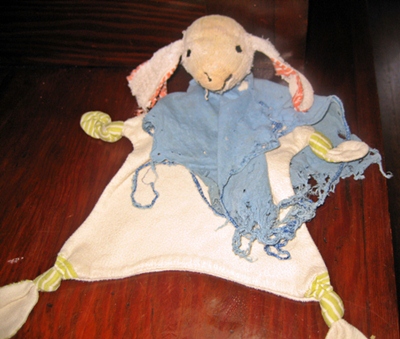
Lately, both of my girls have taken to calling my youngest, Lila, “Lilita.” Although they do not attend a bilingual Spanish preschool, two of the three teachers are native Spanish speakers.
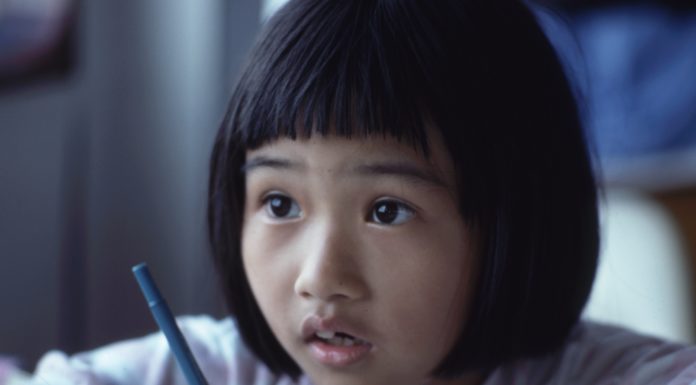
I am now married to a so-white-it’s-almost-blinding husband, who only speaks English, and together we are attempting to raise bilingual and bicultural children. It is both easier and harder than we anticipated. Oh, and more expensive.

After three years of flashcards, tracing sheets, computer games and CDs, I’m giving in. I’m a Chinese School Dropout. Or rather my second-grader is.
The power of language in shaping children's world views.
Why is bilingualism important to you? Answer this question to win the DVD of the film, Speaking in Tongues.
One of the most frequently asked questions from parents bringing up their children bilingually is whether they should speak both languages or separate them. Some bilingual families mix both languages on a regular basis, sometimes in the same sentence. Other families choose to link one language to a parent, a strategy known as the one parent one language (OPOL) approach, to expose the child to a ‘pure’ example of the language.
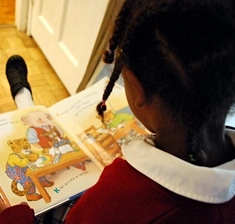
A hot topic for parents trying to raise balanced bilinguals is which language do you teach first, the minority one or the community language? Or maybe both at once?
Recent research shows that most bilingual speakers, although there may be exceptions, have an accent in one of their languages, or even in both.
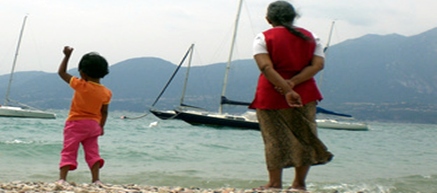
Paati (grandma) joined us this past summer from India. It was her first visit to our home in the U.S since the kids. Paati can understand, read and write elementary English, while our six-something-year-old daughter can handle only minimal Tamil (the regional Indian language we speak).

I've long been resigned (though secretly thrilled) that my six-year-old daughter corrects my French, but I didn't expect my three-year-old son to start just yet.
There are also the myths that real bilinguals do not have an accent in their different languages and that they are excellent all-around translators. This is far from being true.
How can I hope to teach my kids German if I am losing it myself?
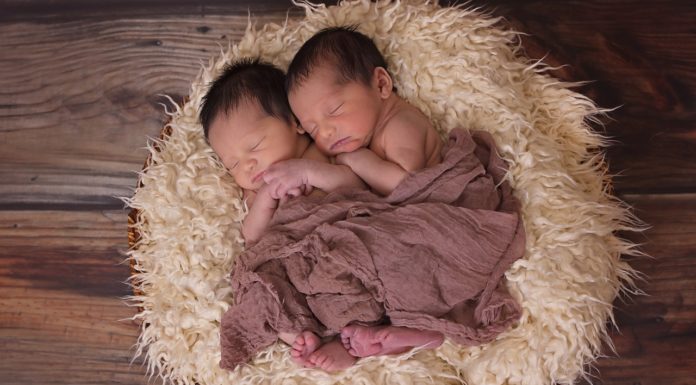
Emma and Hannah have been bilingual since they were born and many times they mix up English and Spanish in one sentence. When they do this, they seem to pick the easiest words from each language. Most of the time, they combine both languages because they do not have the vocabulary they need.
It happened again last week. I was enjoying a cup of coffee with a colleague when she asked me point blank what language we spoke at home. I often get that question as my husband and I come from different countries and on top of that we're expats in Turkey.
Education. One word, carrying so much baggage. Hope for the future; worries about its quality and quantity. And for families raising bilingual or multilingual children, the language question adds another dimension of difficulty...
If you find your child refuses to speak your language, don't hit the panic button just yet. All you need is a little bit of patience and perhaps some organization too.

As someone who loves to write and read, a love of language and words fits naturally. My family is of Punjabi origin, hailing from Jhelum, Pakistan and therefore speaks a Patwari dialect of Punjabi. Growing up, I spoke Patwari with my mother and grandparents; this was the language they scolded us in (Danger! Animals!) and loved us in.

So your kids have a ton of target-language DVDs, books, websites and toys to fast-track their bilingualism, but what about you, the parent? If the target language isn't your native one, you'll be wanting to maintain and improve it any chance you get.

Popular wisdom would have it that bilingual children are generally late speakers. It was certainly my experience when my son at three didn't speak but a few words. People around me would tell me oh, don't worry it's because he's bilingual. My own doctor told me there was no need for concern as my son was learning two languages at the same time.

By the age of four, I had lived in three different countries and spoke pieces of three different languages. I was born in the former Soviet Union to an East German father and a Peruvian mother. My parents were university students in present day Ukraine and they communicated with each other in their only common language at that time, Russian.

Question: why is it important to me that my kids speak more than one language?
I have to admit that I never really thought about this. When I married an Algerian woman I must have assumed my children would be...
And an unforeseen benefit of raising bilingual children is that I feel less exposed when it comes to disciplining Schmoo in public.
I am bringing up my children, Schmoo and Pan-Pan, to speak three languages: English, Twi and French.