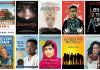






















Since I read primarily books by Asian-American women writers to supplement my very traditional dead white guy literary education, my children do not have to wait until college to discover women writers and writers of color in a women's studies class.
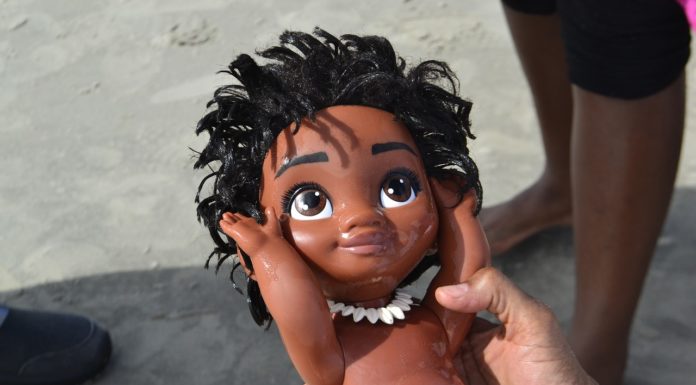
The gift of a white doll starts this mom on a mission for brown dolls.
We live in China and have been pushing the EC method or “Elimination Communication” method since she was four months old. This is the fancy term for something that has been practiced in China for centuries. Children here are often fully “squat trained” (rather than “potty,” as those are newer inventions to the culture) by the time they’re 10 months old. In fact, if they can stand and squat, most of the time it means that they can also do their potty business without any fuss. Traditional Chinese methods have their advantages, for sure.
After my six-year-old’s first brush with racism, I had to act. So how do we prepare our children for racism? Start early, remember and examine our own experiences, practice coping methods ahead of time, build self-esteem and a strong sense of identity, teach them to tell an adult, and show them how to take action.
How do we prepare our children for racism? Here is what I learned from other parents, experts and my own life: Start early, remember and examine our own experiences, practice coping methods ahead of time, build self-esteem and a strong sense of identity, teach them to tell an adult and show them how to take action. Here's what I mean.
A few years ago, I took a seminar called, "Raising Strong and Confident Daughters." My husband laughed at me. "Could our daughters be any stronger or more confident?"

How one American, one Russian and two Germans messed up big time at an Armenian wedding.
The best 10 things about going bilingual with your children.
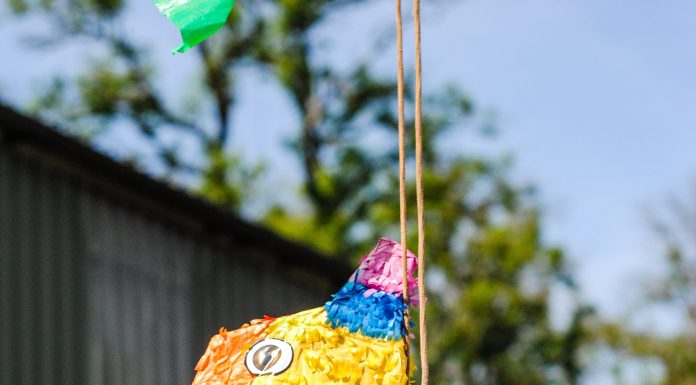
Jasmin only just turned six but suddenly has the ability to do entire craft projects on her, from conceptualization to set up and actualization. Tonight she decided to just "make a pinata" after dinner. First, she assembled her materials: balloons, newspaper, a bowl, glue and water. She cut strips of newspaper, added the glue to the water and then started pasting the strips on the blown-up balloon.

I heard it over and over again in the U.K..
“They crossed the street and wouldn't speak to me, after he died.”
“No one would talk to me about it.”
“It was the elephant in the room.”
My patients already wracked with grief...
At almost 19 months old, Ramzi is just starting to really get talking. Matt was also an early talker and it’s been really interesting to watch the differences and similarities in how the two acquire and use their three languages.
Multicultural children are under-represented in mainstream media. The heroine is always white and black children don't usually have African features.
I had tried to hold out on the older Latina nannies in the park knowing I spoke Spanish. As long as we spoke in English our relationship was kept shallow, limited by their vocabulary. They would ask about my day and coo over my infant but that was about it. I knew that once they knew about me, I would never again be alone for better or for worse.
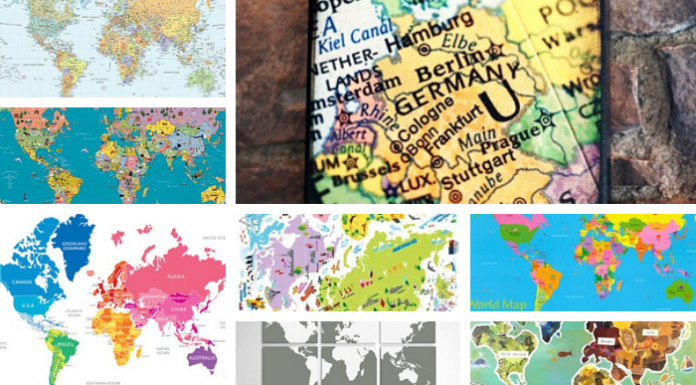
10 of the best world maps for kids' rooms because every little global citizen needs a map.

On my first visit to Morocco, I was introduced to my husband's family as his fiancée, even though we were just dating (since dating isn't a concept that Arab society openly accepts). Although I had traveled widely and had spent time in Muslim countries before, I was very, very nervous for this trip since I was the first woman my boyfriend was introducing to his family.

Travelling with children, while definitely more of a mission, contradicts the old saying that “life is about the journey, not the destination.”
More and more weddings in Nairobi are not allowing children.
Why many multicultural families approach seemingly simple topics like sleepovers from very different angles.
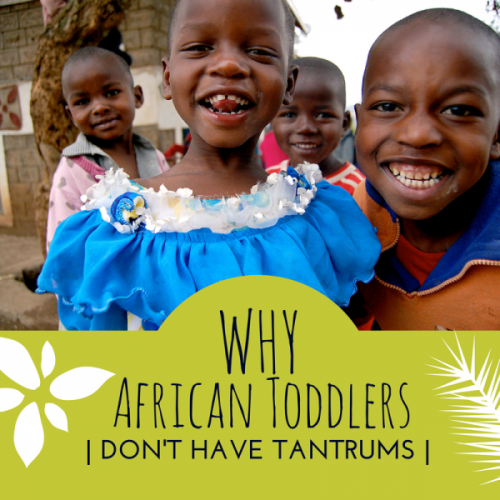
African toddlers do not meltdown like Western ones. Really?
Kids see no divisions. Adults have much to learn from them.
Imagine if an understanding of the innocence of childhood is so deeply embedded into society, it is not even a topic of conversation.

Despite being a family that opposes war, we wanted to teach the kids that holidays are not just for shopping, but for reflecting on historical events as well as those who have died for their country.
It turns out the answer may be cultural.
You don't have to wait until Earth Day to think about how we consume the Earth's resources.
One thing that constantly puzzled me was how docile Brits were. Until I discovered they weren't in fact docile at all.
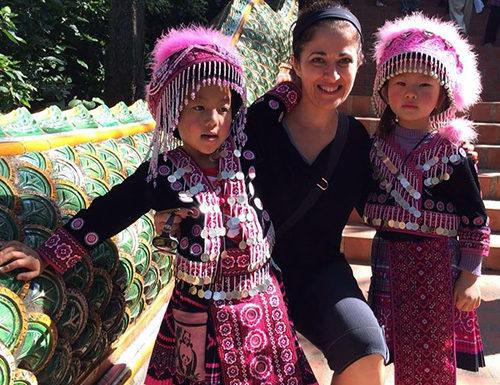
Why raising global kids is so important and the one quote everyone should keep in mind.
Modern parenting places too many expectation on us all that we believe define how involved or committed we are as parents. We couldn't be more wrong.
I am all for piercing our daughter's ears and my husband is totally against it. It's cultural.
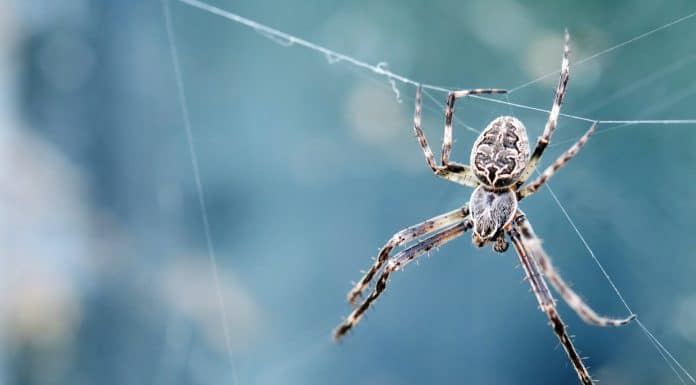
Why the number 4 is bad luck, spiders are good and mirrors in the bedroom bad.
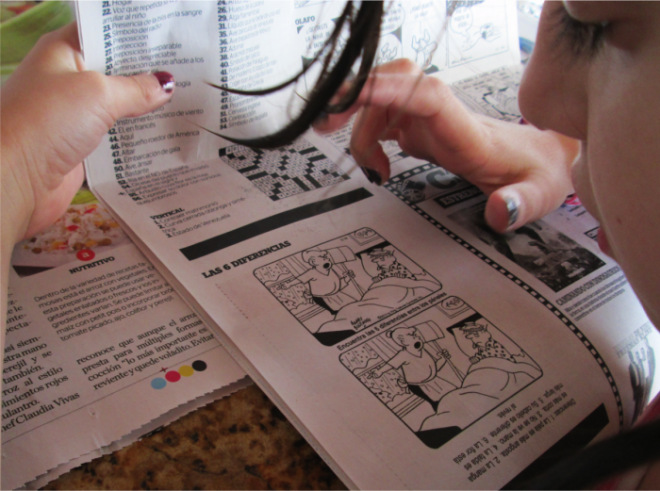
My daughter reading a local Nicaraguan newspaper along with me this morning, something that would likely never happen at home.
Would she feel irritable about the language barrier, hate the food or complain so relentlessly that I’d fantasize about leaving her stranded on a downtown street corner?
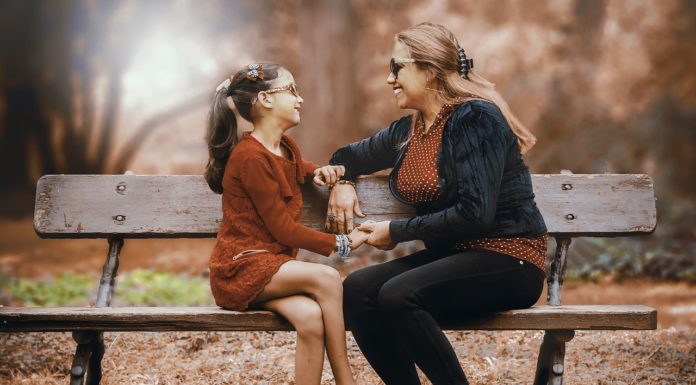
A multilingual mom shares her tips for embarking on a new language with your child.
Was this non-interfering style of parenting in Japan I witnessed an anomaly or the norm? Do the Japanese discipline their kids?
As an Algerian, I grew up within a complex social code where, similar to England, what you say and what you mean do not always go hand in hand. When my German husband and I first started dating, I shed many tears on my seemingly one-way attachment. How could he care for me if he wanted "to be alone on Sunday afternoon" or "was fine with me staying or leaving?
Three secrets why Kenya, like many African countries, is seamlessly multilingual.
My dad’s father killed himself when my dad was a child. My dad has fought with depression all his life. I usually forget about this until my son asks me questions like, “Why is it that I cannot switch my mind off?"
I am being pressured by my Chinese mother-in-law to take a week away from my daughter

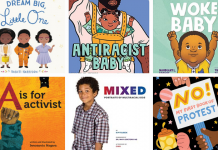
Stereotypes run rampant in much of our media consumption and children’s cartoons are no exception. We wanted to find more cartoons that feature kids of different races and ethnicities across cultural backgrounds. Here's our list.
Is it the punitive work culture in Japan that keeps Japanese dads away or gender roles and expectations?
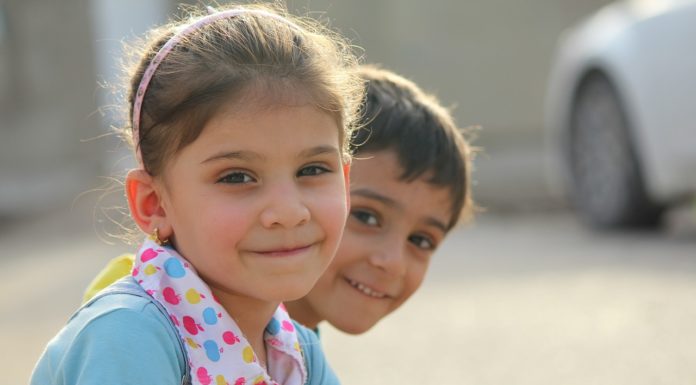
There are a number of us in the States who seem to be falling over in toddler-styled apoplectic fits over the positive press French parenting has been receiving of late. One of the most common complaints I saw emerging from the comment discussions is the French propensity for la fessée or spanking.
Most people think it's weird I am raising Muslim kids when I am not Muslim myself. To me it makes perfect sense.

My husband and I are both foreigners in Japan, and even the cultures we were raised in are so different: American and Chinese. This has given me a chance to see childrearing from so many different perspectives. For as long as I could remember, my parents hardly ever hugged or kissed us, or each other. Nor did we say “I love you” to each other. My parents share the same sentiments as Japanese parents: I don’t need to say “I love you” because I say it with my actions which are weightier than words.
From my kids talking to Jose Luis Orozco in Spanish this past weekend to finding joy in someplace unexpected, I realized all my work in in helping them develop their Spanish is really starting to pay off.

As I relive the city of Quito of my childhood with my kids, so much has changed. There are many more possibilities for families to experience the city. Here's a bunch of things to do in Quito with kids.
One unexpected benefit of bilingualism is when I speak English to my daughter in China, people think I don't speak Mandarin and talk very, very freely about all sorts of things about us. Here's what I recently overheard!
I swore I would never be a housewife but I decided to follow my heart. This is where it led me.
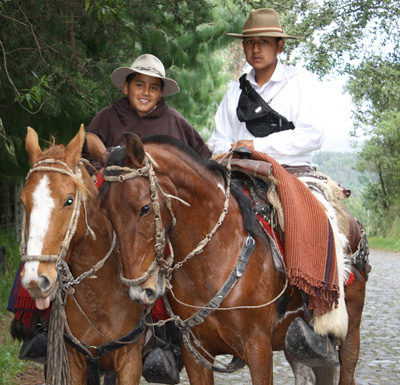
In Ecuador, because families live in the same cities as their relatives and because of the mentality, kids are brought up interacting with people of all ages. They are used to being active participants in everyone´s conversations and activities. Everyone sits at the adult table.
Craft a fun cover together with your kids and let it be their summer journal to record whatever their heart desires.
Growing up with lesbian parents, I wished my classmates parents had talked to them about homosexuality. Here are eight reasons why it is important to talk to your kids about homosexuality. If you do not, someone else will. So beat them to it.
My own child nearly drowned even though I was literally standing right beside her in the water. When children drown, they don’t splash or flail, they go under so silently and wordlessly, you don’t even know it’s happening. That’s what makes it so scary.
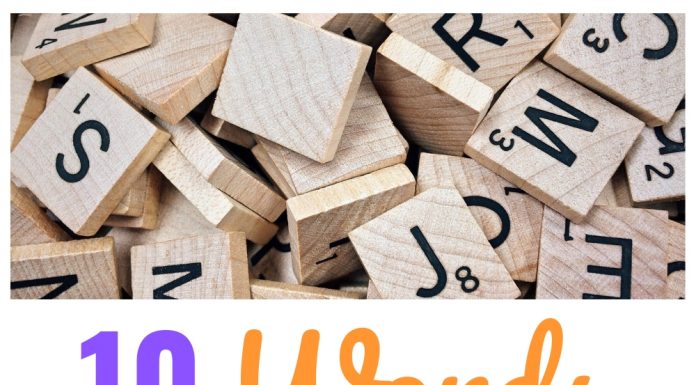
Here’s a list of 10 amazing words that you can’t find in English; perhaps once you’ve studied these you’ll be as enthusiastic as I am about learning a new language.
I have previously written about how I would rather my daughter only say thank you and please from the heart, rather than because of societal enforced politeness. Well, I lost that battle and I have to admit that I am rather pleased I did.
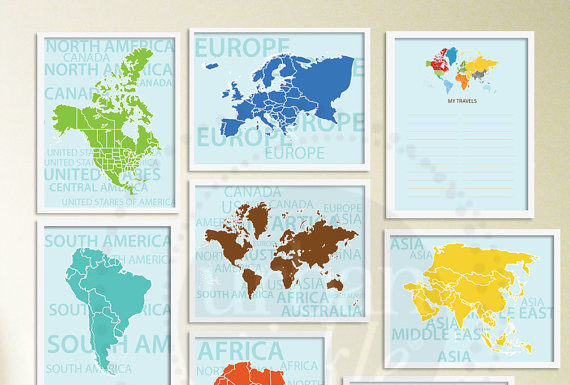
Love this very cool map for a child's room!
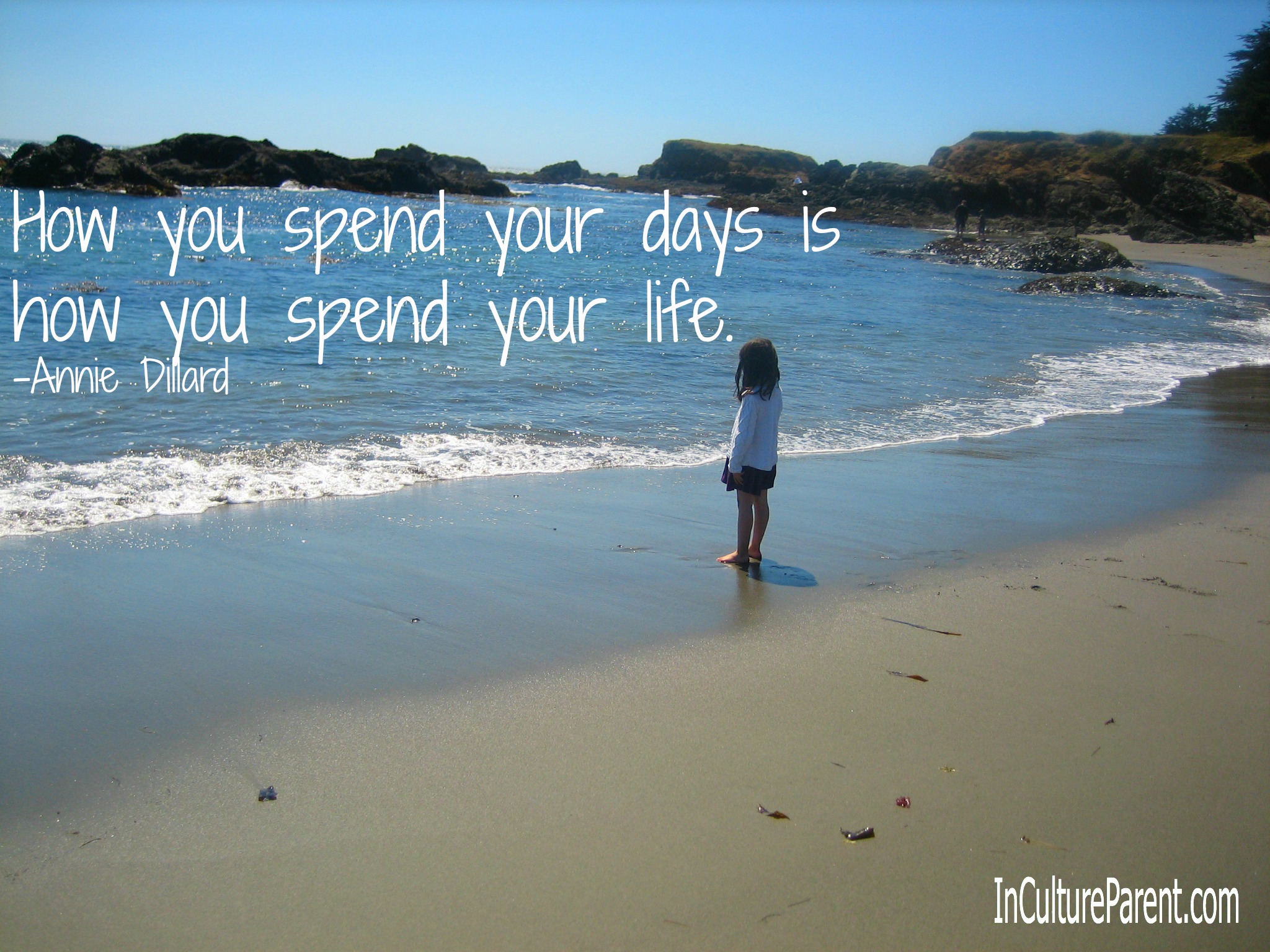
How you spend your days is how you spend your life. So simple yet says so much.
I was in the middle of a dance floor at a glamorous wedding at a hacienda outside of Puebla, Mexico. The father of the bride approached to make sure I took something back to the U.S. with me. "This is the real Mexico. Not what you hear on the TV and in the papers.”

Every year we go back to Ecuador in the summer so my kids can experience my heritage and language. But raising multicultural kids means influences from her American family are visible even in the most unexpected places.
I just moved to a new town a few hours away from the U.S. border in the blazing-hot Mexican desert. This will be my new home, the place where I will settle down and hopefully have kids. In this blog I will relate to you my story of living in this dusty, little male-led corner of the world, as I maneuver through set gender roles, women in my new family that have never left this town, curious people that are watching what I do at all times, and a lovely mother-in-law that calls me five times a day when she isn't dropping by.
I had no idea what language my daughter was singing in until she told me it was Korean. Is this really Korean?
My husband is Chinese and our journey as a couple has been full of bumps and triumphs, hence the blog title, "China Bumps and Triumphs." When we met and fell in love—a process that was frightfully fast but thrilling—my Chinese was very rudimentary and his English was virtually non-existent. Now our daughter is 17 months.
I admire traditional attire from many ethnic backgrounds. The Indian sari, the Sudanese tobe, and the Arabic abaya are some of them. Occasionally I wear the Abaya, during Ramadan for family gatherings as well as the complicated tobe, since I am married into the culture. It’s feminine and girlish fun, reminding me of dress-up games as a young girl.
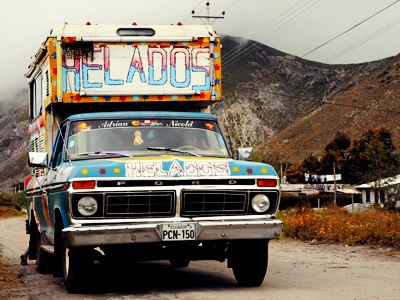
I’m on the verge of traveling from San Francisco, where I reside with my family, to Ecuador where I grew up. Though I have most of my family there and have maintained contact with a lot of childhood friends, every time I am there, I have that feeling of not belonging anywhere anymore—you know how when you grow up in one place but live in another for many years, you stop belonging to a specific place and are never fully at home in either place. I guess you become, as people say, a citizen of the world, whatever that means.
It is an argument used by parents of picky eaters the world over: think of the starving children in Africa. But in Kenya where those starving children can be found on your doorstep, such admonishment applies to nearly anyone with a self-imposed dietary restriction. When I tell people that I am a vegetarian they assume it must be for medical reasons. Why else would an African woman who can afford to eat meat blankly refuse what so many of her compatriots don’t have the luxury to turn down?
This fascinating Australian couple are traveling the world for already six years on motorcycles, living on $10,000 per year.
Six years into OPOL parenting, and here is what I have learned about raising bilingual kids in the OPOL method.
Even though Arabic is one of the languages they were raised in since birth, they prefer Spanish. Here is why.
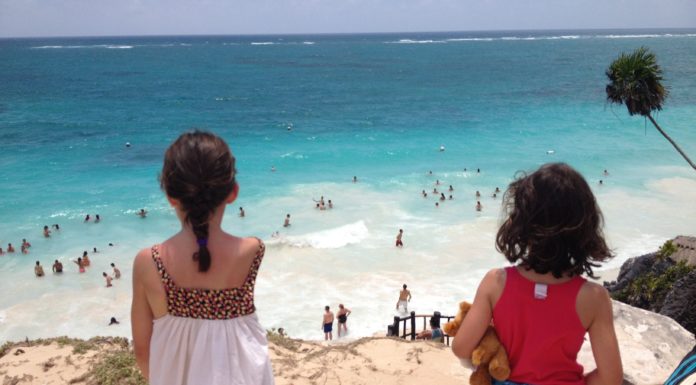
Photo overlooking the beach shot from the castle of Tulum.

With unflinching bravery, Joya has stood up for women's rights in Afghanistan and spoken about the state of affairs of her country, overrun by warlords and corruption. She is quite possibly one of the most courageous women alive.
Is raising global kids important? No. It's a necessity.
An exploration of some of the more contentious points in French parenting like corporal punishment and leaving kids to fend for themselves along with random observations like the prominence of French three and four-year-olds with dummies—aka pacifiers—and security blankets?
When friends hear the nanny position that has served as my main gig for the past year and a half is ending, the most common question I’m asked is, But won’t you miss him?
My first attempt ever at a bento style lunch to spruce up my kids lunch box.

My daughter's letter to the tooth fairy, includes asking for a "gun" for her sister.
It's African History Month. Here's a song about Martin Luther King, courtesy of my four-year-old
A gorgeous paper globe for both kids and adults
I was sure not to fail on helping my kids make (or let’s be real—making for my kids while they kind of help) cute Valentine’s this year. But alas I did. Then I came up with this super last minute but sweet idea.
A French store where you can make your own strands of lights or purchase larger globes
A six-year-old friendly account of an important U.S. historical figure
A very cool map template that you can download, assemble and color yourself.
Most studies I have read tend to focus on childcare, who is the next-best person to look after the child(ren) in question, how long the mother should be at home with the child before starting work and so on. These are of course all important factors but I think that they forget one critical factor—in Africa at least, women have always worked while having children. The two were intertwined.
My six year old takes celebrating the Lunar New Year into her own hands
How bilingual four years olds think about language.
Have our lives become too segmented? Shouldn't everything be child friendly?
My parents always emphasized that although I was ethnically Chinese, my citizenship was American because I was born in America, “You can even be president someday—unlike us—because you are a natural-born citizen.” However, after working in ethnic new media for 10 years and watching American sentiment about immigrants and minorities deteriorate, especially after 9/11, I was not so sure if it really was true that my multiracial, Asian American child could become president someday.
In our family these days, we have developed a new obsession with Burmese food.
The first week of my new job coincided with the heavily media-covered murder of two children by their nanny in the Upper East Side of New York City. This horrific tragedy, in which the young siblings were brutally stabbed to death before the killer tried to take her own life, was a frequent subject of conversation between me and my boss in our first days together.
This year P has been adamant that she is asking Santa for Barbies. This makes sense, as nearly all her friends have them and there’s nothing like peers to create a need where one didn’t previously exist. I vowed I wouldn’t cave in to things I really disapprove of but I do have a number of good memories playing with my Barbies.
Here is a small glimpse of multiculturalism at work in my daughter’s kindergarten class in Berkeley, California where I volunteered for a few hours last week.
I was sitting on a train from Paris CDG airport into Paris. I was singing a silly song in my head ("et les meufs et les keufs dans le RER") and started thinking about cultural knowledge and blending in. Listening to the chatter around me, I suddenly realised that as French as I sometimes like to think I can be, there is a massive part of French culture that I can not blend into at all: business.
I’ll never forget, standing on my tippy-toes, chin resting on the white tile counter, while my mother measured out the ingredients into the deep bottom green Pyrex salad bowl, explaining to me the critical ratio of red wine vinegar to vegetable oil. Yes, our use of vegetable oil dates me to being raised during the PO or pre-olive oil era. The vinaigrette, which in our family consists of dijon mustard, red wine vinegar, salt, oil and shallots, is the first ‘dish’ I ever prepared.
Every year, it was the same routine. Early November, my mother would start thinking aloud, “What do Americans eat for Thanksgiving?” then take my brother and me on a special trip to the grocery store to buy the turkey. That is what they eat on Thanksgiving. However, since there were only four of us and since my mother did know how to roast a turkey, she would forego the whole bird for a frozen loaf of turkey meat in an aluminum tray. Then she would pick out a package of gravy mix and a box of instant mashed potatoes.
Sometimes friends tease me for being so naïve and idealistic. But with the elections upon us, I am there once again. I cannot help it. As the child of immigrants, I was raised valuing freedom and democracy, knowing how lucky we all are to be here, knowing how fragile that luck can be.
A video on my kid's progress in Spanish after six weeks of immersion.
One month ago, we embarked on our official trilingual family journey, introducing over four hours of Spanish daily to our children. But more Spanish goes together with less Arabic and I can't help but wonder, is Spanish coming at the expense of Arabic?
I noticed a beautiful, tall, lean Chinese woman on the other side of the lobby She was stunning. It wasn’t until she turned and glanced over at the group of us that I saw his goatee...I distinctly remember wondering if he was gay and liking the thought of that. I felt a connection with him. Maybe we were both two queers floating in a straight sea?
For the last four years our family has been going through a well-rehearsed but unpleasant ritual on a regular basis: the leaving of college-age children. When my oldest son, the first to leave, moved just an hour drive away, I thought the world had come to an end.
What the ability to delay gratification in childhood says about future success
What is the tipping point of language exposure input that shifts the balance from passive to active, from understanding to speaking?
Eid Mubarak
They play beauty salon and wear barrettes with their daughters.
Jail is an interesting place to observe parenting in practice and illuminates what it is that babies really need.
We are very excited to announce a new partnership with the East Bay Children’s Book Project in Oakland, to donate the multicultural books we receive to review.
"As much as I tried, I could not motivate my sons to sit down and write the alphabet or focus strongly on Serbo-Croat like my girls. My older daughter, in particular, sought out books and worked with my mom every summer on her Croatian. In college, she studied Spanish and can communicate fairly well. The youngest gets her lessons in Croatian from her grandma through visits to the Croatian piazza or while gardening, observing nature, watching Croatian TV channels, shopping and while sharing endless concoctions of delicious Croatian gelato on summer vacations."
In a trilingual home with three alphabets, our blogger Zvezdana has raised four children, two bilingual and two trilingual.
Dancing at the obon festival where my children love dressing up in kimono and yukata and dancing around the yagura tower with the community, eating delicious food.
Differences in ways of life in Germany and the U.K. and the learning curve as an expat
The circumcision “ban” that happened in Germany this past week has stirred up a lot of bad feelings and accusations. However, the word ban is simply not accurate.
Lessons in parenting from the Côte d'Azur
Why this nanny feels strongly a car-free approach to childrearing is best.
My children don't identify themselves as American at all. And apparently Americans aren't allowed to cook couscous either.
The story of Diane Tran, the Texan honors student jailed for missing school when she was working full-time to support two siblings without parents, luckily has a happy ending. But I am bothered by all those of color like her whose stories don't get the same attention.
When it comes to McDonalds or Asian street food, my kid picks Singaporean chicken rice every time.
These chocolates are far cooler than your usual box of chocolates. They are multicultural Pucca chocolates from Korea!
I tend to be a bit anti-technology when it comes to my kids, who are three and five. However, the iPad and its language learning apps may be changing my mind.
When I told some people that I wanted to write about childhood sexuality, they were understandably wary. I wouldn’t touch that with a ten-foot pole, was the way one friend worded it. They were only partially reassured when I promised that I wouldn’t be advocating having sex with children, only acknowledging the inherent sexuality children have from birth.
After Indian American Rutgers student Dharun Ravi was convicted of bias intimidation, I sent the very long New Yorker article about the case to my teenagers so that they can understand what kind of digital footprint they leave whenever they do anything online, and to remind them that regardless of what they might actually be doing, they need to be aware that sometimes those actions may be perceived quite differently by others, including people who do not understand technology and culture, including people with power.
What I discovered on my search for amazing bilingual writers
Our lifestyle and the chemistry of our family is a hodge podge, a unique entity only we can understand. Our small group of six exists in a way that is not one or the other—neither European, Balkan, Sudanese, African, Arab nor American. A blend of all the things that are the best in us and from our experiences, our backgrounds patiently collected like pebble gems along the way. This variety of influences reflects itself in our children.
I recently participated in a talk on raising bilingual kids over at The Motherhood, with many great co-hosts.
I missed the first week of Linsanity because I was caught up in fighting the racist China-fear-mongering Pete Hoekstra political ad that aired during the Superbowl.
I am probably spoiled, being brought up bilingual and exposed to many languages and cultures. Perhaps I just haven't been adventurous enough in my travels, but I don't ever recall finding myself in a situation where I could neither derive any inkling of meaning from the exchange nor express in any terms or gesticulations what I needed to say—that is until now.
Is healthy eating and making your toddler eat kale akin to buying the thousand dollar stroller? How having a diverse diet has become a virtue.
For an expat family (or for this expat family, anyway) putting down roots somewhere can be difficult. The possibility of moving on is always present.
I never cared much about Valentine's Day until my oldest daughter was two.
Through use of technology it is fairly easy for us to expose our children to all kinds of languages and cultures. Need proof?
The importance of understanding history and politics in raising multicultural kids.
Relocation and a new language: why some people chose not to give the “gift” of multilingualism.
The burden of responsibility when you are the only one responsible for passing on holiday traditions
Money can’t buy love or can it? We hire strangers to love our kids because we have more important things to do. But the love and care gifted to our kin is being “extracted” from people on the other side of the world who might otherwise receive it. While love is not a finite resource, face time certainly is and we therefore rob the developing world of “care” to feed our own needs.
There are many jokes about African timekeeping. On one level it is true—the continent is full of buses that run behind and meetings that start late.
This past week, we have had our new Arabic-speaking babysitter everyday for a total of 12 hours all week. From day one, she had told me the girls understand her 100%, which we know already, it is just their speaking Arabic that has been problematic.

When it comes to raising a bilingual child, I have several beliefs about how you can waste your time.
I remember being pregnant and hearing the refrain, “I don’t care what gender my child is as long as s/he is healthy.” I did not join in. There was every chance that my child would suffer the same chronic illness that I do, so we make the best of what life gave us, whatever the challenges.
The Sunday after Thanksgiving is the day we gratefully drive back to our own home in our own town with our own way of doing things, and are stuck in the car together for hours and have no choice but to talk to each other. I call it the post-holiday debriefing (and I recommend this in my Multicultural Toolbox workshops as one strategy for combating racism and intolerance in the extended family).
I love these matryoshka art prints and magnets
He asked where my accent came from, since he guessed I was not English. With my fair skin, straightened hair and generally Caucasian features, he thought I was of French descent. I explained that I was 100%....

While traveling with kids definitely involves more preparation and requires more stuff, it doesn’t have to be a burden. I try to limit the amount of stuff needed to the basics.
My parents say that there is a Chinese saying (there is always a Chinese saying) about how distant relatives are not as good as nearby friends.
Francois Grosjean broke my heart with an article he wrote recently, Helen or Hélène. The actual quote that touched me is "few language users are poets."
America is no more dangerous than it was in the fifties or seventies when parents let their children run wild through the neighborhood. So why has parenting culture become so restrictive and paranoid? One thing I’ve noticed is that the age at which we parent makes a difference.
This weekend we had a taste of all sorts of fall festivities and also celebrated Day of the Dead for the first time, at a joint pumpkin carving/Day of the Dead celebration play date.
A few days ago, a toddler was struck by two vehicles on a road in China and eventually died because no one stopped to help. My initial reaction? Total shock followed by immediate outrage coupled with an attitude of “this would never happen where I come from.” I was really surprised to find that I had experienced a full 180-degree shift.
Growing up in the age of Farrah Fawcett, I knew that one had to be blond in order to be beautiful, by definition. However, once a year, I could be whatever I wanted to be, travel backwards and forwards in history and literature. It was also a chance to pretend to be pretty and show off how smart I could be.

Being a German myself, I feel I'm entitled to say this: Germans are rude.
Why the breastfeeding debate remains downright radical after all this time
In a land of teenage pregnancies and questionable style trends, this German dad wonders how he will raise English daughters.
A number of years ago I read an article that interviewed adults who had been interculturally and interracially adopted in the 1970s. Though all of the people interviewed appeared to be happy with their adoptive families, they all expressed a sense of loss.
When we decided to move to Singapore about 18 months ago, people’s reactions fell into roughly three categories:
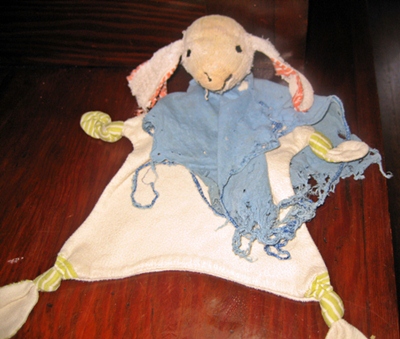
Lately, both of my girls have taken to calling my youngest, Lila, “Lilita.” Although they do not attend a bilingual Spanish preschool, two of the three teachers are native Spanish speakers.
The primary American parenting goal is independence, as opposed to say cooperation or social integration, and it matches our society’s emphasis on individual achievement and self-reliance. It is a strategy that extends across class lines, religion and education level.
A while back someone asked me where I am from. I explained that I am half French and half American to which they responded, “Oh, so you’re Canadian!” If only it were so easy.
I never knew I would enjoy the humor and light breezy spirit of teenagers so much. When the kids were little, I was so afraid of what these teenage years would bring.
I recently had the opportunity to go to a two-week filmmaking workshop. It meant that for the first time in my daughter’s life (she’s four and a quarter) I was going to be away from her from 9 a.m to 5 p.m.
After a long trip away from home, one of the first things I always do upon our return is take all the kids to buy groceries at our favorite Chinese grocery store. I love watching them zip around, squealing as they load up our basket, “Ooooh! It’s been so long since we’ve had cong you bing!”
The hardest thing for me about our unique little family is our unique extended family situation. One side of the family is in the U.S., the other side of the family in Lebanon, and we, like shipwrecked sailors, somewhere in the middle, impossibly far from both
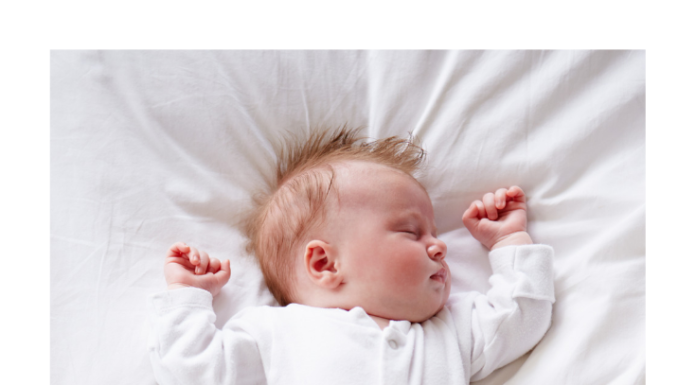
We have a weird relationship to babies and sleep in the West. In the majority of non-Western societies, babies sleep with their parents--if not in the bed, then in the same room. So do young children. It is only in industrialized Western countries that sleep has become a compartmentalized, private affair.
The degree of freedom we enjoy here in the States with regards to baby names is not shared internationally. Naming laws abound worldwide: France, Poland and New Zealand are just a few countries that have laws on the books.
Kenyan social customs and their importance for even young children.
I’ve made an interesting bilingual discovery with my own children that was confirmed by an expert in child bilingualism.
The pros and cons of life as an expat.
Celebrating Japanese culture with the obon dance—just follow the old aunties
The culture of unusual baby naming in the age of individualism.
A common expat moment: my colleague said something supposedly German and we had no clue what he was trying to say, no matter how hard he tried.
Lebanon is like that really smart, talented, good-looking friend who is slowly sliding into alcoholism, or sinking into depression or an abusive relationship.
Love to party? Ways to involve your kids and take them along.
All over the world, women trade parenting. In Hong Kong, babies are raised by Indonesians, in Australia they’re Filipinos. It made me think about the amount of trust entailed in letting someone care for your children...it’s fascinating that people give that responsibility to those they consider so different from themselves.
Before I came to Michigan for graduate school, the only thing I knew about Michigan was that it was where Vincent Chin was killed. My parents’ Japanese-American neighbors warned me to sell my father’s Toyota 4Runner and buy a Ford Bronco. I asked about safety as much as I did about academics before I decided to come.
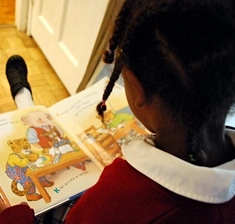
A hot topic for parents trying to raise balanced bilinguals is which language do you teach first, the minority one or the community language? Or maybe both at once?
I hate having to make my daughter say please and thank you. There, I have said it—does that make me a bad mother? I am also well aware that she will be judged on how she presents herself in public.

It hadn’t taken me long upon arrival in Germany from Armenia to figure out that Germans didn’t do small talk.
"Multilingual schizophrenia." I don't know whether there is
an official term for it, so this is my term. I feel slightly different depending on
what language I speak, almost as if my personality changes a little bit when I
switch languages.<
Here's the infrequently talked about ten things you must know if you are traveling, particularly internationally, with your kids.
In L.A., the mothers who reply to the ads posted on message boards ask how much housecleaning you are willing to do in addition to watching their kids. I read an article explaining that with the downturn in the economy folks are trying to streamline their household staff and I see it proves true. Part of their decision on who to hire to help raise their kids is based on the prospect’s experience with heavy cleaning.
My daughter Hao Hao was once a timid child who cried at every little thing. She even got kicked out of sports camp because she dissolved into a flood of tears every time she got "out" in softball or tag. Once when she was at Leslie Science Center, she cried on a hike through the woods because she was afraid of the spider webs on the trail.
My mother-in-law, like many Middle Eastern mothers-in-law, is part human, part force of nature. Like a tsunami, only less subtle.
I am still thinking about language forgetting.
The issue at hand is that my daughters do not hear enough German to be able to develop a strong foundation, right?
Thanks to everyone who entered our A Lion's Mane giveaway, the multicultural and eco-friendly book for kids about the Sikh turban.

I've long been resigned (though secretly thrilled) that my six-year-old daughter corrects my French, but I didn't expect my three-year-old son to start just yet.
Check out ten essential travel toys for the natural, electronics-free approach!
Nannying can be terribly boring. This is because the infants I care for (most of whom are under a year old) are busy entertaining themselves.
Because I went to Catholic Schools, I had no idea that there was more to Easter than Easter Mass.
Perhaps it shouldn't be surprising that we each have a child who looks nothing like us.
How can I hope to teach my kids German if I am losing it myself?
The part of the brain which controls language development develops faster in girls than in boys.
This article is to provide practical tips for parents who wish to co-sleep or are already co-sleeping and would like further support for their decision.
One of my greatest fears as a new parent, right after Matthew's birth, was about putting him in school in France. While I hadn't done much research on the system, its results surrounded me: a culture where it's a bad idea to accept responsibility for one's mistakes, where apologizing is seen as a sign of weakness...
Bilinguals see the world differently because of the inextricable link between language, culture and cognition (no surprise).
Bilingual children are more effective at multi-tasking.

I was raised by a fabulous set of lesbians in the San Francisco Bay Area in the early eighties. There were a lot less kids of gay parents then, even in San Francisco, and though it may have been an unusual childhood, it was a very happy one.
One of the questions I get asked most frequently is, why was it so important to me for my daughter to be born and spend the early part of her life in Kenya?
This article is a fascinating look at why children connect languages to a particular person and why they are so adamant about it. If you have ever tried to switch your usual language with a young child, you will know exactly what I mean.
Infants raised in households where Spanish and Catalan are spoken can discriminate between English and French just by watching people speak, even though they have never been exposed to these new languages before.
Last night, I finally had the pleasure of meeting one of ICP’s contributors, Frances Kai-Hwa Wang.
Our soon-to-be six year old is now taking cheerleading classes once a week after school. Her best friend S does it so we didn't even go into the "why not do some real activity?" discussion.
The debate that is often in the news, about the failed multicultural policies of many European countries, is one that interests me since I lived as an immigrant in Germany.
Not everyone has the same reasons for raising bilingual children. For some, it is necessity, for others a desire.
Welcome to the new InCultureParent site blog. This will be the place where we post things that we think are cool--people, places, global kid finds, products, statistics whatever. It's all about cool global stuff. We hope you will...
Having thought further about what intentional parenting entails, I sought counsel from my mother, Nina, about her parenting practices. She summed them up, patly, as "values based parenting."
I have three girls and my feeling is that I'd probably like them to be French rather than English.
On my 16th birthday, a blond classmate was shocked to discover that I would not also, automatically, be allowed to date. “But it’s a Constitutional right that you are allowed to date when you turn 16.â€
It was an initiation, a rite of passage, to learn how to sit that long (as one got older up to 8 hours) to get your hair braided. It was simply what we did.
I have been an expat for almost 13 years or roughly one-third of my life. I grew up in Northern Germany and moved to the South in 1990 so really we're talking about 21 years that I have not lived "at home."
Education. One word, carrying so much baggage. Hope for the future; worries about its quality and quantity. And for families raising bilingual or multilingual children, the language question adds another dimension of difficulty...
We are always on the hunt for books in our family to support my childrens' language acquisition. For French books, this is fairly straightforward but not for Twi.
I am not altogether sold on the idea of school. I was before my daughter was born however like so many other aspects of my life, my world view completely shifted with her arrival.
This year, I celebrated Christmas in my own place with my wife and three daughters. It was the first time that I did this and I'm 41 years old. Wow. What sounds a little bit weird is actually more due to the way we expats live.
I sometimes think that one reason some people resist multiculturalism and resent diversity is that it is simply not easy to live together with other people. It is no fun to compromise. It is challenging to understand and overcome difference.
The parenting world can be sorted into two factions: intentional vs. default parenting. Default parenting is something no one can likely wholesale avoid. It is the kid in the car seat while I cook dinner parenting, the turn on the TV and give them apple juice to shut them up parenting. It is a necessary evil produced by a society that devalues intimacy, presence and the prioritization of family life.

So your kids have a ton of target-language DVDs, books, websites and toys to fast-track their bilingualism, but what about you, the parent? If the target language isn't your native one, you'll be wanting to maintain and improve it any chance you get.
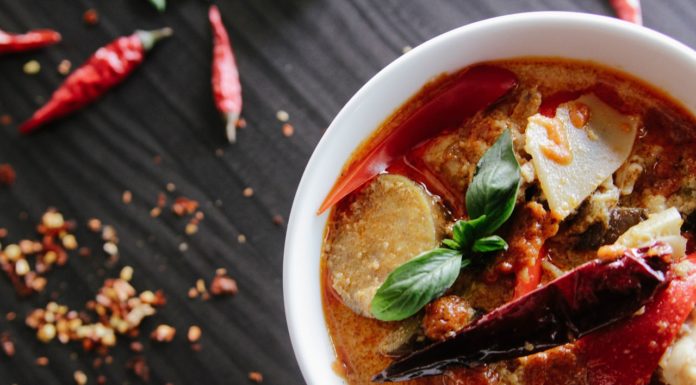
They say the last holdout of cultural assimilation can be found in the refrigerator, or the kitchen cupboards.
Do you raise our children for the society we hope one day exists or with the skills to fit into our current one? Where is the balance struck?
I nearly scared my children to death with the pronouncement, "Now that weire Buddhist, maybe we shouldn't celebrate Christmas anymore."
I understand the challenge of bringing holidays into an understandable form for children. On top of that, there is definitely a smaller selection for Chanukah than what's offered for Christmas. We may be Chosen but we can't be choosy.

Question: why is it important to me that my kids speak more than one language?
I have to admit that I never really thought about this. When I married an Algerian woman I must have assumed my children would be...
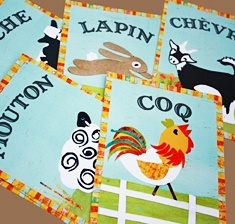
I have recently been thinking about how long I can carry on talking to my children in a language that is not my mother tongue. There are many, many occasions when it is difficult and I'm sure I lose...
And an unforeseen benefit of raising bilingual children is that I feel less exposed when it comes to disciplining Schmoo in public.
When you live outside your culture, the "easy, joyful, fun" celebrations take on a whole new level of meaning. They become Important. They are no longer a fun way to pass an evening, but part of a culture, part of your culture, that you are determined to pass on and share with your children.
It's only from a distance of months or years or decades that you can look back and see how one apparently small decision nudged the course of your life in a totally unexpected direction. I don't really know why...
It all started when my husband first asked me to marry him.
I said, "Under one condition, that we never live in the Midwest."
I said, "Under one condition, that we never live in the Midwest."
A lot of resources on the web talk about the two most successful approaches in multilingual parenting. Both have advantages and both are tailored to pretty specific situations.
I have come to believe that there is no "right" parenting even if many experts offer conflicting theories stating as much.
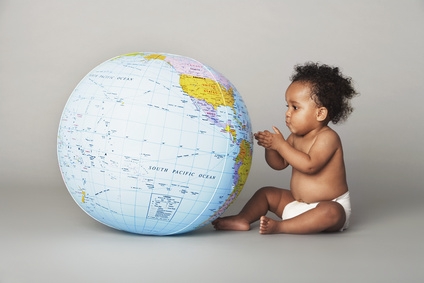
I am bringing up my children, Schmoo and Pan-Pan, to speak three languages: English, Twi and French.
I am fourth generation multicultural. Although there was a lot of inter-marriage, tribe is inherited through one's father so I consider myself Luo despite having a Samia-Luhya mother and Kisii great-grandmother.